Unlock Intense Flavor: The Nutrient Power of Oven-Blistered Tomatoes
Tomatoes are undeniably a culinary cornerstone, gracing everything from vibrant salads to rich pasta sauces and comforting soups. Their inherent sweetness and acidity make them incredibly versatile. Yet, there’s a simple, often-underestimated technique that can transform these everyday gems into extraordinary flavor bombs: *blistering tomatoes* in the oven. This method isn't just about cooking; it's about unlocking a depth of taste and an appealing texture that can elevate your dishes from merely good to truly unforgettable. If you're ready to take your tomato game to a whole new level, understanding the art and science behind perfectly oven-blistered tomatoes is your next essential kitchen skill.
The Transformative Magic of Oven-Blistering Tomatoes
So, what exactly happens when you *blister tomatoes* in the oven that makes such a profound difference? It’s a multi-faceted transformation impacting both flavor and texture, turning simple produce into a gourmet ingredient.
A Symphony of Deepened Flavor
The primary magic of blistering lies in its ability to concentrate and caramelize the natural sugars within the tomato. As the tomatoes roast in the dry heat of the oven, their moisture evaporates, intensifying their inherent sweetness and acidity. This process creates a rich, complex flavor profile that’s far more profound than that of a raw or lightly cooked tomato. You’ll notice an irresistible sweet-savory balance, sometimes even a subtle smokiness, that adds incredible depth to any dish. It’s this intense flavor concentration that makes *blistered tomatoes* such a powerful culinary asset.
An Evolution in Texture
Beyond flavor, oven-blistering works wonders on texture. The heat gently breaks down the cellular walls of the tomato, transforming its firm flesh into something incredibly tender and velvety smooth. The skin, exposed to high heat, bubbles and "blisters," creating a delightful contrast. Each tomato becomes a tiny package, bursting with juicy, concentrated flavor when bitten into. This combination of tender flesh and a slight textural resistance from the blistered skin adds a sophisticated mouthfeel that can impress even the most discerning palate.
More Than Just Cooking: A Culinary Revelation
While the process itself is remarkably straightforward, the impact of *blistered tomatoes* on a meal is anything but simple. They become an elegant ingredient, capable of infusing a rustic charm or a sophisticated touch, depending on the application. It’s a technique that allows the tomato’s true essence to shine through, proving that sometimes, the simplest methods yield the most extraordinary results. For those looking to understand why this technique is such a game-changer, exploring how it elevates various dishes is key. To delve deeper into this, you might find valuable insights in our article,
Elevate Your Dishes: Why Blistering Tomatoes is a Game-Changer.
Beyond Taste: The Nutritional Boost of Blistered Tomatoes
While the exquisite flavor and texture are compelling reasons to master *blistering tomatoes*, there’s a significant health benefit often overlooked. Cooking tomatoes, particularly through methods like oven roasting, can actually enhance their nutritional value.
Maximizing Bioavailability of Key Nutrients
Fresh tomatoes are packed with vitamins C and K, potassium, and powerful antioxidants, most notably lycopene. Lycopene, a carotenoid responsible for the tomato's red color, is a superstar antioxidant linked to various health benefits, including heart health and a reduced risk of certain cancers. The fascinating thing about lycopene is that its bioavailability – how readily our bodies can absorb and utilize it – actually *increases* when tomatoes are cooked. The heat from the oven helps break down the tough cell walls of the tomato, releasing the lycopene and making it more accessible to our digestive system. When cooked with a little healthy fat, like olive oil, the absorption of fat-soluble lycopene is further enhanced, turning your delicious *blistered tomatoes* into a nutritional powerhouse.
The Oven Advantage: Preserving Goodness
Compared to other cooking methods, oven roasting is an excellent choice for nutrient preservation. Boiling can leach water-soluble vitamins into the cooking liquid, while very high-heat methods like grilling can sometimes lead to nutrient degradation. Oven blistering, typically done at moderate to high temperatures for a relatively short duration, provides enough heat to break down cell walls and release lycopene without excessively compromising other heat-sensitive nutrients. This means you’re not just getting intense flavor, but also a more bioavailable dose of the good stuff.
Selecting Your Stars: Choosing the Best Tomatoes for Blistering
To achieve truly spectacular *blistered tomatoes*, the selection of your raw ingredients is crucial. Not all tomatoes are created equal when it comes to standing up to the oven's heat and delivering that coveted burst of flavor.
Variety is Key to Success
When choosing tomatoes for blistering, look for varieties that are naturally sweet, have a good balance of acidity, and a relatively thin skin.
- Cherry and Grape Tomatoes: These are often considered the gold standard for blistering. Their small size means they cook quickly and evenly, developing that beautiful blistered skin and tender interior in a flash. They also tend to be naturally very sweet, making their caramelized flavor incredibly intense.
- Small Heirloom Varieties: Think varieties like Sun Gold, Black Krim, or even smaller versions of Brandywine. These offer unique, complex flavors and often beautiful colors that add visual appeal to your dishes.
- Plum or Roma Tomatoes: While larger, these can also be excellent, especially if you halve or quarter them. Their meaty texture and lower water content make them great for sauces or when you want a more substantial bite.
Ripeness and Firmness: The Perfect Balance
The ideal tomato for blistering should be ripe but still firm to the touch.
- Ripe: A ripe tomato means maximum natural sugars and flavor. It should have a vibrant color and a noticeable tomato aroma.
- Firm: Avoid overly soft or mushy tomatoes, as they will collapse and become watery rather than blister. A firm tomato holds its shape better under heat, allowing the skin to blister and the flesh to become tender without disintegrating.
Consider the size: smaller tomatoes are generally easier to handle and cook more consistently. However, don't shy away from larger varieties; just ensure you cut them into uniform, bite-sized pieces for even cooking.
Your Step-by-Step Guide to Perfectly Blistered Tomatoes (with Pro Tips)
Mastering the art of *blistering tomatoes* is surprisingly simple. With a few key steps and some helpful insights, you'll be creating culinary magic in no time.
Essential Preparation for Perfect Blistering
- Wash and Dry Thoroughly: Gently wash your chosen tomatoes under cool running water. This next step is crucial: pat them completely dry with a clean kitchen towel or paper towels. Any excess moisture will steam the tomatoes instead of blistering them, preventing that desirable caramelized flavor and texture.
- Remove Stems: For small tomatoes, simply pluck off the green stems. For larger varieties that you plan to cut, remove the core if necessary.
- Optional Scoring (for Larger Tomatoes): If using larger tomatoes that you've halved or quartered, you can make a small X incision on the skin side. This can help prevent them from exploding and encourages more even blistering.
The Roasting Ritual: From Prep to Perfection
- Gather Your Ingredients:
- Fresh tomatoes (cherry, grape, or small heirlooms work best)
- Extra virgin olive oil (a good quality one makes a difference)
- Sea salt and freshly ground black pepper
- Optional aromatics: minced garlic, thinly sliced shallots, a sprig of fresh thyme or oregano
- Preheat Your Oven: Aim for a temperature between 400°F and 425°F (200°C to 220°C). This high heat is key to achieving that quick blister and char.
- Prepare the Baking Sheet: Line a baking sheet with parchment paper for easy cleanup and to prevent sticking.
- Toss and Season: In a bowl, gently toss the dry tomatoes with a generous drizzle of olive oil, a good pinch of sea salt, and freshly ground black pepper. If using, add minced garlic or thinly sliced shallots at this stage.
- Arrange Evenly: Spread the seasoned tomatoes in a single layer on the prepared baking sheet. Do not overcrowd the pan; leave enough space between them for air circulation. Overcrowding will cause the tomatoes to steam rather than roast and blister.
- Roast to Perfection: Place the baking sheet in the preheated oven. Roast for 10-20 minutes, depending on the size of your tomatoes and your oven's power. Keep a close eye on them. You're looking for skins that have visibly burst and darkened, with some slight charring, and the flesh becoming tender and slightly collapsed.
- Finish with Herbs: Once removed from the oven, you can toss the hot *blistered tomatoes* with fresh herbs like torn basil, chopped parsley, or fresh oregano. The residual heat will gently wilt the herbs, releasing their fragrance.
For a more in-depth look at the exact steps and nuances of this method, our article
Master Blistered Tomatoes: Easy Oven Roasting for Flavor & Texture offers a comprehensive guide.
Unleashing Culinary Creativity: Ways to Enjoy Blistered Tomatoes
Once you have a batch of these intensely flavorful, tender, and juicy *blistered tomatoes*, the culinary possibilities are endless. Their concentrated flavor and luxurious texture make them an incredibly versatile ingredient.
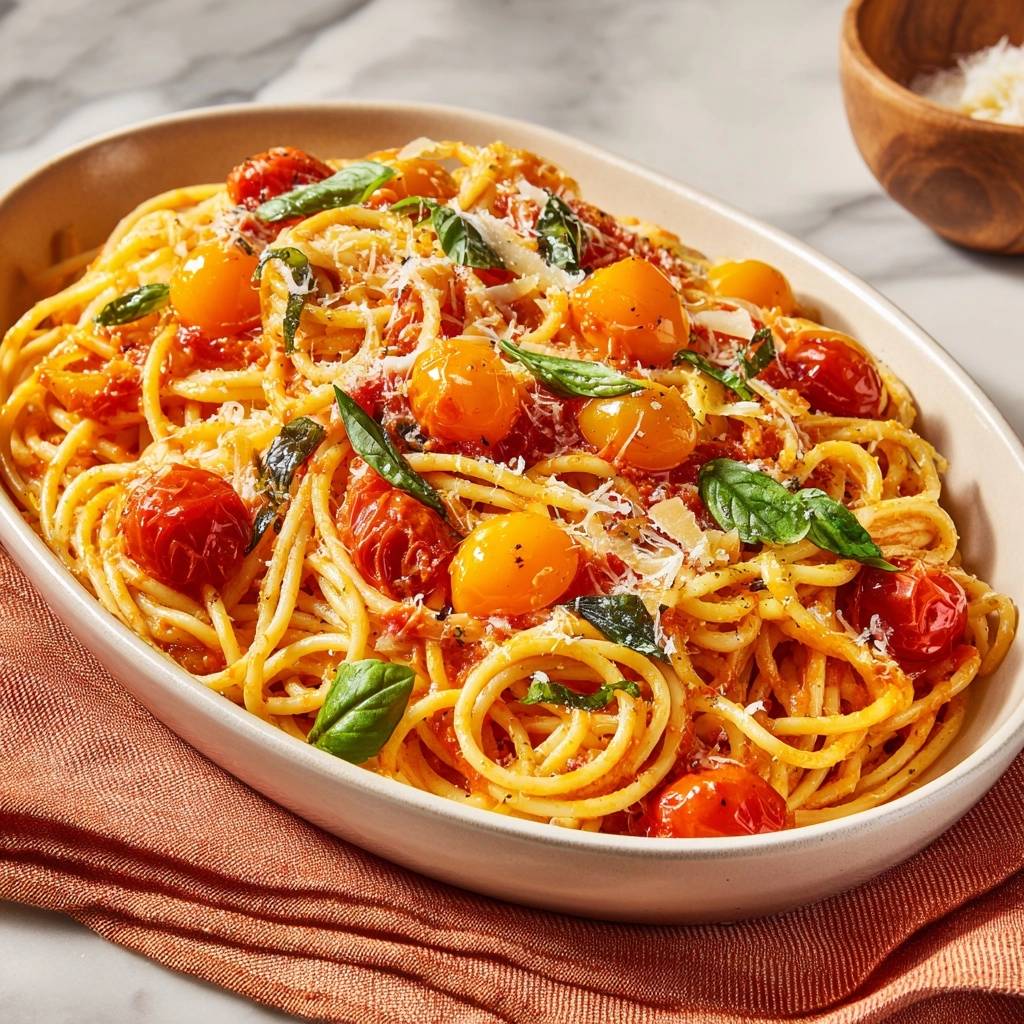
- Pasta Powerhouse: Stir them into simple pasta dishes with a little pasta water and Parmesan for a quick, elegant meal. They add a creamy richness to linguine, spaghetti, or even gnocchi.
- Bruschetta Brilliance: Pile them onto toasted crusty bread, perhaps with a dollop of whipped ricotta or fresh mozzarella, for an irresistible appetizer.
- Salad Sensation: Incorporate them warm into salads like a basil pesto panzanella, or simply add them to a bed of mixed greens with a light vinaigrette.
- Sandwich Upgrade: Take your grilled cheese, open-faced sandwiches, or even classic BLTs to a gourmet level.
- Egg-cellent Addition: Fold them into omelets, scrambled eggs, frittatas, or serve them alongside a sunny-side-up egg for a vibrant breakfast or brunch.
- Garnish & Side Dish: Serve them as a simple, elegant side dish for grilled chicken, fish, or steak, or use them as a beautiful, edible garnish.
- Soup & Sauce Base: Blend them into soups for a deeper tomato flavor, or incorporate them into homemade sauces for an added layer of richness.
Pair *blistered tomatoes* with fresh herbs like basil, oregano, and thyme; a drizzle of balsamic glaze; or cheeses like feta, goat cheese, or fresh mozzarella to further enhance their incredible taste.
Conclusion
The simple act of *blistering tomatoes* in the oven is a testament to how minor culinary adjustments can yield monumental flavor returns. Far from being just another cooking method, it's a technique that concentrates natural sugars, transforms texture, and even boosts nutrient bioavailability. Whether you're a seasoned chef or a home cook looking to inject new life into your meals, mastering this easy roasting method will unlock a world of intense, sweet-savory flavor. So, grab a punnet of fresh tomatoes, preheat your oven, and prepare to elevate your everyday dishes into extraordinary culinary experiences.